For decades, manufacturers have worked to refine strategic warehousing to strike the perfect balance between inventory and production. The goal was simple: keep inventory levels as low as possible while ensuring materials arrived exactly when they were needed. This just-in-time (JIT) approach helped reduce carrying costs, improve cash flow, and maximize efficiency.
Then came a series of global disruptions that challenged long-held assumptions. From supply chain bottlenecks and labor shortages to transportation delays and geopolitical uncertainty, manufacturers discovered that the cost of running too lean could far outweigh the savings.
Today, the conversation has shifted. Instead of asking, “How little inventory can we carry?” businesses are asking, “How can we maintain production without carrying unnecessary inventory?” The answer lies in finding a new balance between inventory and production, one built on flexibility, visibility, and strategic warehousing partnerships.
Table of Contents
The Cost of Getting It Wrong, And the Need for Strategic Warehousing
For manufacturers, inventory isn’t just a financial metric. It’s directly tied to production performance.
Too much inventory ties up working capital, consumes valuable warehouse space, and increases the risk of obsolescence. Too little inventory, however, can be even more costly. A delayed shipment or unavailable component can slow production, create scheduling challenges, or even bring an assembly line to a standstill.
In industries such as automotive manufacturing, where production schedules are tightly coordinated and downtime can be extraordinarily expensive, maintaining the right inventory levels has become a competitive advantage.
Finding that balance is no longer about choosing between lean inventory and high inventory. It’s about creating a supply chain that can respond quickly when conditions change.
From Just-in-Time to Just-in-Ready
Just-in-time manufacturing isn’t disappearing. Instead, it’s evolving and strategic warehousing can help.
Many organizations continue to embrace lean principles while building additional flexibility into their operations. Rather than increasing inventory across the board, manufacturers are strategically positioning products closer to production facilities, diversifying suppliers, and creating contingency plans for unexpected disruptions.
This approach allows businesses to maintain operational efficiency while reducing the risk associated with delays.
The goal is no longer simply minimizing inventory. The goal is ensuring production continues without interruption.
Visibility Changes Everything
One of the most valuable tools manufacturers have today is visibility.
When companies have real-time insight into inventory levels, inbound shipments, and warehouse operations, they can make informed decisions before problems become disruptions.
Inventory visibility allows organizations to:
- Identify potential shortages before they impact production.
- Improve forecasting and purchasing decisions.
- Reduce excess inventory.
- Respond faster to changing customer demand.
- Improve communication across suppliers, manufacturers, and logistics partners.
Better visibility leads to better decisions…and better decisions keep production moving.
Strategic Warehousing Plays a Bigger Role
Strategic warehousing has become much more than a place to store products. “Manufacturing doesn’t stop because the supply chain gets complicated,” says Vice President of Operations at NOTS Logistics, Jason Povolish. “That’s why we focus on building logistics solutions that give our customers flexibility, reliability, and the confidence to keep production moving—no matter what challenges arise.”
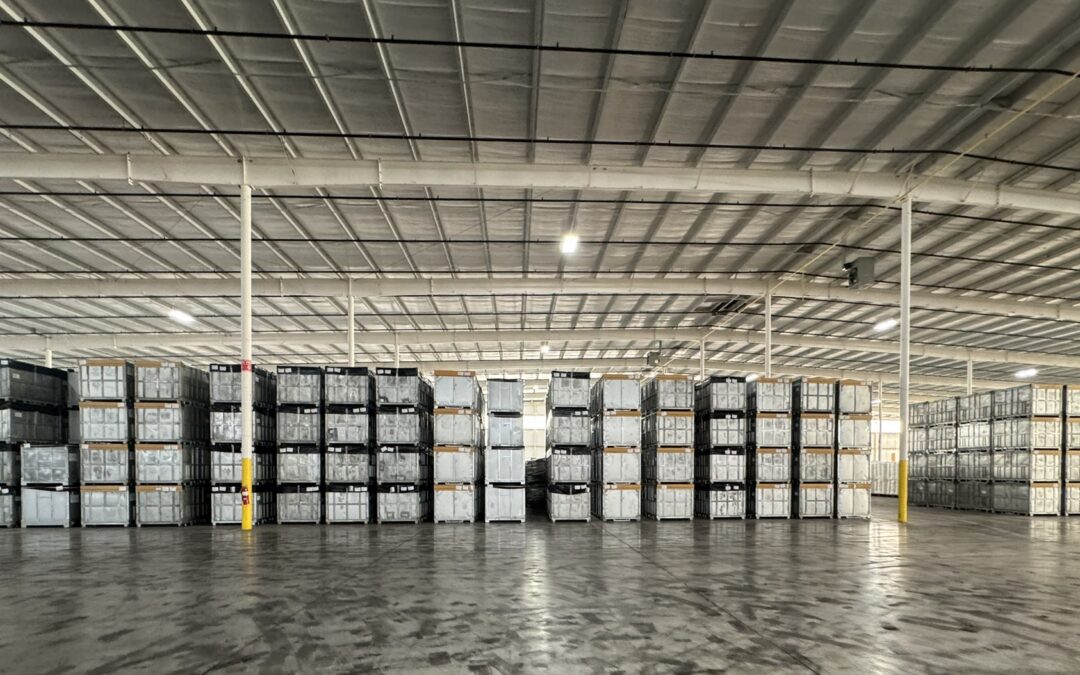
Strategically located warehouse facilities allow manufacturers to position inventory closer to production plants, customers, and transportation networks. This reduces transit times while providing additional flexibility when demand changes.
For automotive manufacturers and tire producers, strategically positioned inventory can help support production schedules, improve service levels, and reduce the need for costly expedited shipments.
A strategic warehousing partner that understands manufacturing operations can also provide inventory management, quality processes, transportation coordination, and scalable labor resources that support production objectives.
“At NOTS we know that manufacturing doesn’t stop because the supply chain gets complicated. That’s why we focus on building logistics solutions that give our customers flexibility, reliability, and the confidence to keep production moving—no matter what challenges arise.”
— Jason Povolish, Vice President of Operations, NOTS Logistics
Flexibility Is the New Competitive Advantage
Production schedules rarely remain static.
Customer demand changes. Transportation routes shift. Suppliers experience delays. New product launches require additional capacity.
Companies that can quickly adapt to these changes are often the ones that outperform their competitors.
Flexible warehouse operations, scalable labor solutions, and responsive transportation networks help manufacturers absorb these fluctuations without sacrificing customer service or production efficiency.
Rather than reacting to every disruption, businesses can build resilience into their everyday operations.
Partnership Over Transactions
Today’s manufacturers expect more from their logistics providers than warehouse space or transportation capacity.
They need partners who understand their business, communicate proactively, identify opportunities for improvement, and help solve operational challenges before they become production issues.
The strongest logistics partnerships are built on collaboration. By working together to understand production schedules, inventory requirements, seasonal demand, and long-term business goals, manufacturers and logistics providers can develop solutions that improve efficiency while reducing risk.
A trusted logistics partner becomes an extension of the customer’s operation—not simply another vendor.
Finding the Right Balance
The ideal inventory strategy looks different for every business. Factors such as production schedules, customer expectations, transportation networks, and supplier reliability all influence how much inventory should be maintained and where it should be positioned.
Success comes from balancing efficiency with preparedness.
Manufacturers that combine strategic inventory placement, operational visibility, flexible logistics solutions, and strong partnerships are better equipped to navigate today’s increasingly complex supply chain environment.
At NOTS Logistics, we understand that inventory is more than product on a shelf, it’s the foundation that keeps production moving. Through customized warehousing, transportation management, workforce solutions, and collaborative partnerships, we help manufacturers build supply chains that are both efficient and resilient.
Because in today’s manufacturing environment, the goal isn’t simply carrying less inventory. It’s creating the right inventory strategy to keep your business moving forward.