
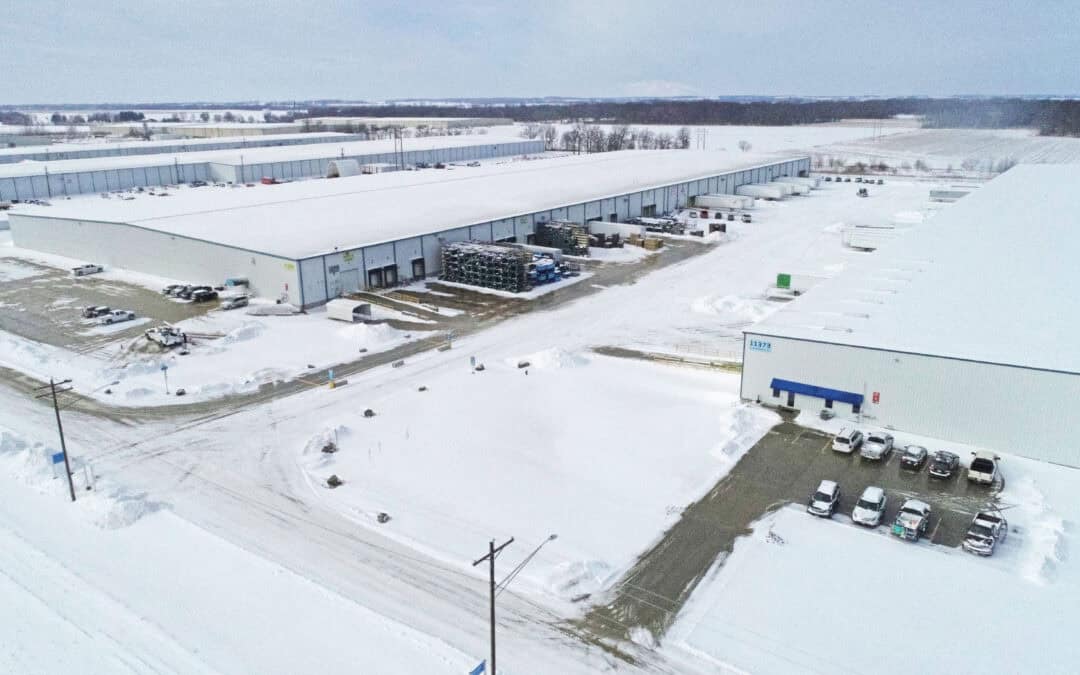
Staying ahead of things with winter warehouse preparation keeps logistics moving. Winter weather can create challenges across the supply chain, from icy loading docks and freezing temperatures to transportation delays and unexpected staffing shortages. For businesses that depend on consistent warehouse operations and reliable product movement, even a short disruption can have a lasting impact.
The key to minimizing those disruptions? Preparation.
Effective winter logistics planning begins long before the first snowfall. By taking proactive steps to protect facilities, support employees, safeguard inventory, and prepare transportation operations, businesses can reduce risks and maintain the reliability their customers expect.
1. Preparing Warehouse Facilities for Winter Conditions
A warehouse is designed to keep products moving, but winter weather can put additional strain on buildings, equipment, and daily operations.
Winter warehouse preparation should include evaluating facility conditions and identifying areas where cold temperatures, snow, or ice could affect safety and productivity.
Important considerations include:
- Loading docks and doors: Inspect seals, dock equipment, and frequently used entrances to help minimize heat loss and moisture intrusion.
- Heating and ventilation systems: Schedule preventive maintenance to reduce the risk of equipment failures during extreme temperatures.
- Walkways and parking areas: Establish procedures for snow and ice removal, particularly in high-traffic areas.
- Roofing and drainage: Check for potential drainage issues and conditions that could contribute to ice buildup or water intrusion.
- Material handling equipment: Review equipment maintenance requirements and operating conditions as temperatures change.
Addressing these concerns early helps create a safer working environment and reduces the likelihood of unexpected interruptions.
2. Keeping Employee Safety at the Forefront
People are essential to successful warehouse operations, and winter introduces additional safety considerations for employees working both indoors and outdoors.
Slippery surfaces, reduced visibility, and exposure to cold temperatures can increase the risk of workplace incidents. Even facilities that operate primarily indoors may experience hazards near loading docks, exterior entrances, and other areas exposed to changing weather conditions.
A proactive winter safety approach includes reviewing cold-weather personal protective equipment, reinforcing safe material handling practices, and communicating expectations for snow and ice conditions.
Employee awareness is equally important during winter warehouse preparation. Regular safety conversations and clear procedures help teams recognize potential hazards before they lead to injuries or operational delays.
A well-prepared workforce is one of the most important elements of a resilient logistics operation.
3. Protecting Inventory from Cold Weather Risks
Winter conditions can affect more than the building itself. Depending on the products being stored, temperature fluctuations, moisture, and condensation may create risks to inventory quality and packaging integrity.
Products with specific storage requirements may need additional monitoring or handling considerations during colder months.
Warehouse operators should evaluate:
- Temperature and humidity requirements for stored products
- Areas vulnerable to condensation or moisture exposure
- Packaging materials that may be affected by extreme temperatures
- Procedures for receiving and shipping products during inclement weather
- Contingency plans for power interruptions or facility equipment failures
Understanding the needs of each customer’s inventory is critical. Customized warehousing solutions can help businesses manage product-specific requirements while maintaining efficient operations throughout the year.
4. Planning for Winter Transportation Challenges
Winter weather rarely affects just one point in the supply chain. And while winter warehouse preparation is essential, all areas of the supply chain must be considered in the preparations.
Snow, ice, high winds, and reduced visibility can disrupt transportation routes, delay deliveries, and create challenges for drivers and logistics coordinators.
While weather conditions cannot be controlled, transportation planning can help reduce their impact.
Effective winter transportation management includes monitoring forecasts and road conditions, maintaining communication with drivers and customers, evaluating alternate routes, and allowing flexibility when severe weather affects delivery schedules.
Preventive vehicle maintenance and winter readiness inspections also play an important role in safe transportation operations.
Perhaps most importantly, businesses should establish clear communication expectations before disruptions occur.
When customers receive timely, accurate updates, they can make informed decisions and adjust their own operations accordingly.
5. Building Flexibility into Workforce Planning
Severe winter weather can affect employee availability, shift schedules, and overall workforce capacity.
Road closures, school cancellations, and hazardous travel conditions may prevent employees from reaching a facility, even when warehouse operations remain open.
For logistics providers, workforce planning should account for these possibilities.
Cross-training employees, identifying essential operational responsibilities, and establishing communication procedures can help facilities respond more effectively to unexpected staffing challenges.
Flexible workforce management also allows businesses to adjust resources as operational demands change.
The objective isn’t simply to maintain staffing levels. It’s to ensure the right people, skills, and resources are available to support safe, efficient operations.
6. Creating a Winter Business Continuity Plan
Winter warehouse preparation becomes especially valuable when weather causes a significant disruption.
A comprehensive business continuity plan helps logistics operations respond with greater consistency when normal processes are interrupted.
Plans should identify essential operations, establish communication responsibilities, outline response procedures, and determine how customer commitments will be managed during weather-related delays.
Businesses should also consider the impact of disruptions beyond their own facilities. A supplier closure, transportation interruption, or customer shutdown can affect operations across multiple locations.
Regularly reviewing contingency plans and communicating expectations with logistics partners can strengthen supply chain resilience.
The most effective plans are practical, adaptable, and understood by the people responsible for carrying them out.
Prepared for the Unexpected. Committed to What Matters.
At NOTS Logistics, we understand that reliable logistics requires more than moving products from one location to another. It takes planning, flexibility, strong communication, and a commitment to the people and businesses depending on us. And seasons bring change, which is why winter warehouse preparation is essential to keep things moving.
Through our four core services—Warehousing, Transportation Management, Customized Distribution, and Workforce Management—we work with customers to develop solutions that support their operational needs throughout the year.
Winter weather may be unpredictable, but the importance of preparation is not.
By identifying risks early, prioritizing safety, encouraging road safety, and maintaining open communication, businesses and their logistics partners can navigate seasonal challenges with greater confidence.
Because when conditions change, the commitment to our customers doesn’t.